

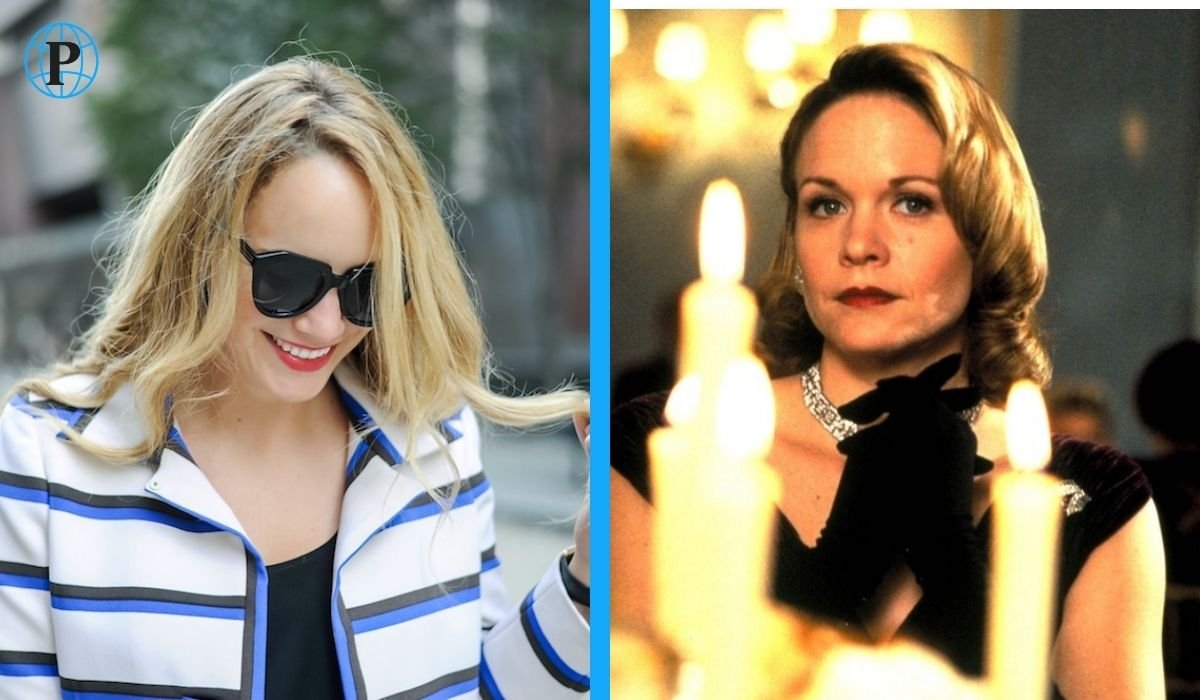
Chandi Heffner’s relationship with Doris Duke has generated curiosity because it involved adoption, family expectations, wealth, and questions surrounding inheritance. The name Doris Duke is closely associated with extraordinary wealth, philanthropy, art, and an unconventional personal life. Born into one of America’s richest families, Duke inherited a substantial fortune and later became known for supporting cultural, environmental, and humanitarian causes.
This article explores Doris Duke’s adopted daughter, Chandi Heffner, including the circumstances surrounding their relationship, Duke’s family background, the adoption, and the wider significance of the heiress’s legacy.
Quick Bio Table: Chandi Heffner
| Category | Details |
|---|---|
| Full name | Chandi Duke Heffner |
| Birth name | Charlene Gail Heffner |
| Known for | Her relationship with Doris Duke |
| Adoptive mother | Doris Duke |
| Adoption year | 1988 |
| Age at adoption | 35 |
| Doris Duke’s age at adoption | 75 |
| Adoption location | New Jersey |
| Relationship type | Adult adoption |
| Major public issue | Dispute involving Doris Duke’s estate and trust |
| Reported settlement | Approximately $65 million |
Who Was Chandi Heffner?
Chandi Heffner became known publicly through her close association with Doris Duke during the 1980s. Before the adoption, contemporary accounts described her as a former belly dancer and a participant in the Hare Krishna movement. Her relationship with Duke developed into something much more significant than an ordinary friendship. Eventually, Doris Duke legally adopted her as an adult, making Heffner part of a family story that would later attract substantial legal and media attention.
What is firmly established is that Heffner entered Duke’s inner circle, was legally adopted in 1988, and later became involved in litigation concerning Duke’s estate.
Doris Duke’s Family Background and Wealth
To understand why Chandi Heffner’s adoption attracted so much attention, it is necessary to examine the life of Doris Duke herself. Born on November 22, 1912, Doris Duke was the only child of tobacco and industrial magnate James Buchanan Duke. Her father helped build the American Tobacco Company and was also a major philanthropist. When he died in 1925, Doris inherited a large fortune while she was still a teenager.
The press famously portrayed her as one of the wealthiest young women in the world. Over time, however, she became more than an heiress. Duke managed investments, traveled extensively, collected art, and developed interests in architecture, gardening, music, and cultural traditions. She maintained several important properties, including Duke Farms in New Jersey, Rough Point in Newport, and Shangri La in Honolulu.
Doris Duke’s family life was less conventional than her financial circumstances might suggest. She married twice, but neither marriage lasted. Her only biological child, a daughter named Arden, was born prematurely in 1940 and died shortly afterward. That loss remained an important part of the story surrounding Duke’s later relationship with Chandi Heffner.
How Doris Duke Met Chandi Heffner
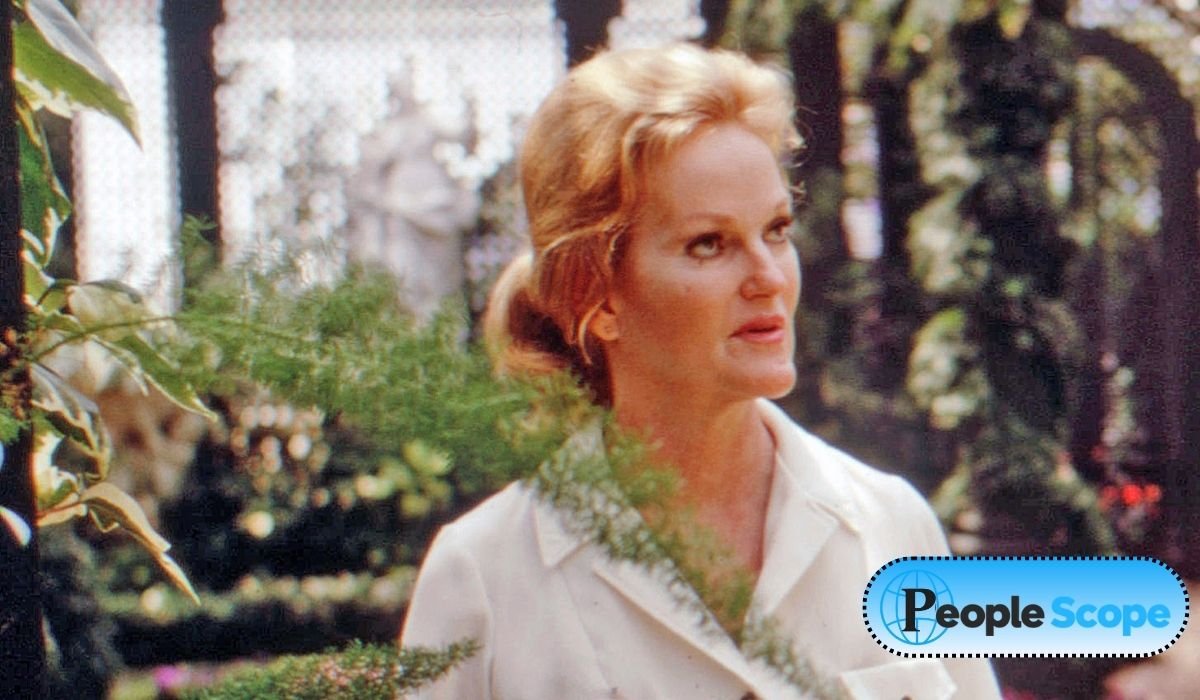
Their Relationship in the 1980s
Doris Duke met Chandi Heffner in the mid-1980s, during a period when the heiress was increasingly surrounded by an unusual and varied circle of friends and acquaintances. Accounts published during and after Duke’s lifetime describe Heffner as a younger woman who became particularly close to her. The two reportedly shared time at Duke’s properties and developed a relationship that Duke eventually regarded as familial.
One of the most frequently repeated details about their relationship concerns Duke’s belief that Heffner was connected in some way to her deceased daughter, Arden. Several biographical and contemporary accounts state that Duke believed Heffner was the reincarnation of Arden. This belief is part of the historical record of their relationship, but it should be understood as Duke’s reported personal belief rather than an objectively established fact.
The 1988 Adult Adoption
Why Did Doris Duke Adopt Chandi Heffner?
In November 1988, Doris Duke legally adopted Chandi Heffner in New Jersey. Court records identify Heffner as Charlene Gail Heffner and establish that she was 35 years old at the time, while Duke was 75. This was an adult adoption, rather than the adoption of a young child.
Adult adoption is legally distinct from the more familiar process involving minors. Depending on the jurisdiction and the applicable law, it can create a formal parent-child relationship between two adults. In Duke’s case, the adoption became especially important because her father’s earlier estate planning documents used language concerning descendants and future beneficiaries.
It is tempting to assume that the adoption was simply a straightforward way for Duke to pass her wealth to Heffner. However, the available record is more complicated. The relationship had emotional and personal dimensions, while the legal consequences depended on the wording of existing trusts, later wills, and the interpretation of applicable law.
The Significance of Becoming Doris Duke’s Daughter
After the adoption, Chandi Heffner was publicly identified as Doris Duke’s daughter. The relationship gave her a formal place in Duke’s family structure, but it did not automatically resolve every question about inheritance. This distinction became central after Duke’s health declined and the two women became estranged.
Duke had inherited wealth through her father’s estate and through trusts established for family members. Those arrangements had been created long before Heffner entered her life. As a result, the legal meaning of adoption had to be considered alongside documents that had been drafted decades earlier. The case eventually demonstrated that being legally adopted and being entitled to a particular trust benefit are related questions, but not necessarily identical ones.
The Breakdown of Their Relationship
The relationship between Doris Duke and Chandi Heffner eventually deteriorated. Public accounts indicate that the two women had a falling-out around 1991. The reasons described in contemporary reporting involve disagreements, changing loyalties, and Duke’s growing concerns about people in her household. Because much of their private interaction remains unavailable, it is difficult to establish a complete, impartial account of what caused the separation.
The breakdown was particularly significant because Duke’s health and personal circumstances were becoming more complicated. Her household included other individuals who would later feature prominently in discussions about her final years and estate. Among them was Bernard Lafferty, who served as her butler and was later named an executor of her estate.
Chandi Heffner’s separation from Duke was not merely a private family dispute. It eventually became connected to a lawsuit and competing claims over financial support and inheritance. This transformed a highly unusual personal relationship into a legal controversy that continued after Doris Duke’s death.
Chandi Heffner and the Doris Duke Estate Dispute
What Happened After Doris Duke’s Death?
Doris Duke died on October 28, 1993, at the age of 80. Her death triggered extensive legal proceedings involving her estate, trusts, and people who claimed an interest in her wealth. Although Duke had adopted Chandi Heffner, her final will reportedly excluded Heffner from receiving a share of the estate.
Duke’s final will included a statement expressing regret about the adoption and indicated that she did not want Heffner to benefit from certain funds. The wording of the will and the status of the earlier adoption became important issues in subsequent litigation. The dispute was not simply about whether Heffner had been adopted; it also involved the effect of that adoption on trust arrangements created by Duke’s father.
In 1993, Heffner pursued legal claims connected to Duke’s alleged promises of financial support and her expected inheritance. News reports described the case as a dispute over an alleged agreement between the two women. The litigation illustrates how personal promises, estate planning, and family relationships can become intertwined when a wealthy individual dies without a simple or uncontested succession plan.
The Importance of the Doris Duke Trust
One of the most important legal issues concerned the Doris Duke Trust, a trust established by James Buchanan Duke. Its terms referred to certain named beneficiaries and their lineal descendants. After Doris Duke’s death, the trustees and Heffner disagreed about whether her legal adoption entitled her to benefits under the trust.
New Jersey court records highlight the central question of whether Chandi Hefner can be considered “issue” (a lineal descendant) under the terms of the trust. The case therefore involved the interpretation of an older financial document, rather than merely a disagreement over Duke’s personal wishes.
The $65 Million Settlement
In December 1995, Chandi Duke Heffner reached a settlement with the estate of Doris Duke. According to reporting by the Los Angeles Times, Heffner agreed to end her claims against the estate in exchange for approximately $65 million. The agreement brought an important chapter of the inheritance dispute to a close, although other legal issues involving Duke’s estate continued afterward.
The settlement is frequently cited in biographies and articles about Doris Duke because it demonstrates the financial consequences of their complicated relationship. However, it is important to distinguish a settlement from a court ruling that confirms every claim made by either side. A settlement resolves a dispute through an agreement, and it does not necessarily establish that all allegations were proven.
Doris Duke’s Legacy Beyond Her Adopted Daughter
Although Chandi Heffner remains an important part of the story of Doris Duke’s final years, Duke’s legacy extends far beyond their relationship. She was a major patron of the arts and supported projects involving cultural preservation, environmental interests, and humanitarian causes. Her properties reflected her fascination with architecture, design, and world cultures.
Duke’s philanthropic interests continued to influence institutions after her death. Her estate helped support charitable work in areas such as the performing arts, medical research, child well-being, and environmental programs. The Doris Duke Foundation, which carries her name, remains associated with these broad areas of public benefit.
Her historic properties also provide insight into her personality. Shangri La in Hawaii became known for its Islamic art and distinctive architecture, while Duke Farms in New Jersey reflected her interest in landscapes and conservation.
What Is Known About Chandi Heffner Today?
Publicly available, authoritative information about Chandi Heffner’s later personal life is limited. Many articles focus primarily on her connection to Doris Duke, the adoption, and the subsequent estate litigation. As a result, it is difficult to provide a reliable, comprehensive account of her current activities, career, family life, or personal circumstances.
This lack of information is worth acknowledging because public interest in the Duke family can encourage speculation. A useful biography should separate confirmed historical events from rumors, secondhand accounts, and claims that cannot be independently verified. The most dependable facts about Heffner concern her adoption by Doris Duke in 1988 and her later involvement in legal disputes connected to Duke’s wealth.
Chandi Heffner’s story remains historically notable because it connects the private world of an exceptionally wealthy woman with broader questions about adult adoption, family identity, estate planning, and inheritance law. At the same time, her life should not be defined entirely by the fortune associated with her adoptive mother.
Conclusion
Chandi Heffner’s relationship with Doris Duke was one of the most unusual family stories connected to the American heiress. Their association developed during the 1980s, eventually led to an adult adoption in 1988, and later ended in estrangement and a major legal dispute. After Duke’s death in 1993, questions about the adoption, trust benefits, and inheritance became the subject of extensive litigation.
The eventual settlement of approximately $65 million resolved Heffner’s claims against the estate, but it did not erase the complexity of the relationship or the wider questions surrounding Duke’s final years. The story also demonstrates why historical biographies should rely on court records and contemporary reporting rather than unverified speculation.
Ultimately, Doris Duke’s legacy includes much more than her adopted daughter or her fortune. Her philanthropy, artistic interests, historic properties, and contributions to charitable institutions remain important parts of her life story.
FAQs
Who was Chandi Heffner?
Chandi Heffner, whose birth name was Charlene Gail Heffner, became known for her close relationship with American heiress Doris Duke. Duke legally adopted her as an adult in 1988, when Heffner was 35.
When did Doris Duke adopt Chandi Heffner?
Doris Duke legally adopted Chandi Heffner in November 1988 in New Jersey. Court records identify the adoption as an adult adoption. Duke was 75 years old at the time, while Heffner was 35.
Why did Doris Duke adopt Chandi Heffner?
Duke viewed Hefner as a daughter and believed that she was the reincarnation of her late daughter, Arden; however, the full motives behind the adoption remain unclear.
Did Chandi Heffner inherit Doris Duke’s fortune?
Chandi Heffner was excluded from Doris Duke’s final will, according to contemporary reporting. She later pursued legal claims involving Duke’s estate and reached a settlement of approximately $65 million in 1995.
What is Doris Duke best known for?
Doris Duke was a wealthy American heiress and philanthropist known for supporting the fine arts, medical research, child welfare, and environmental causes. She inherited her wealth from her father, James Buchanan Duke, and her historic estates “Shangri La” and “Duke Farms” are significant parts of her legacy.




[…] figure. There is no substantial public record showing that he developed a career comparable to his adoptive parents as a singer, producer, songwriter, or celebrity […]
Comments are closed.