

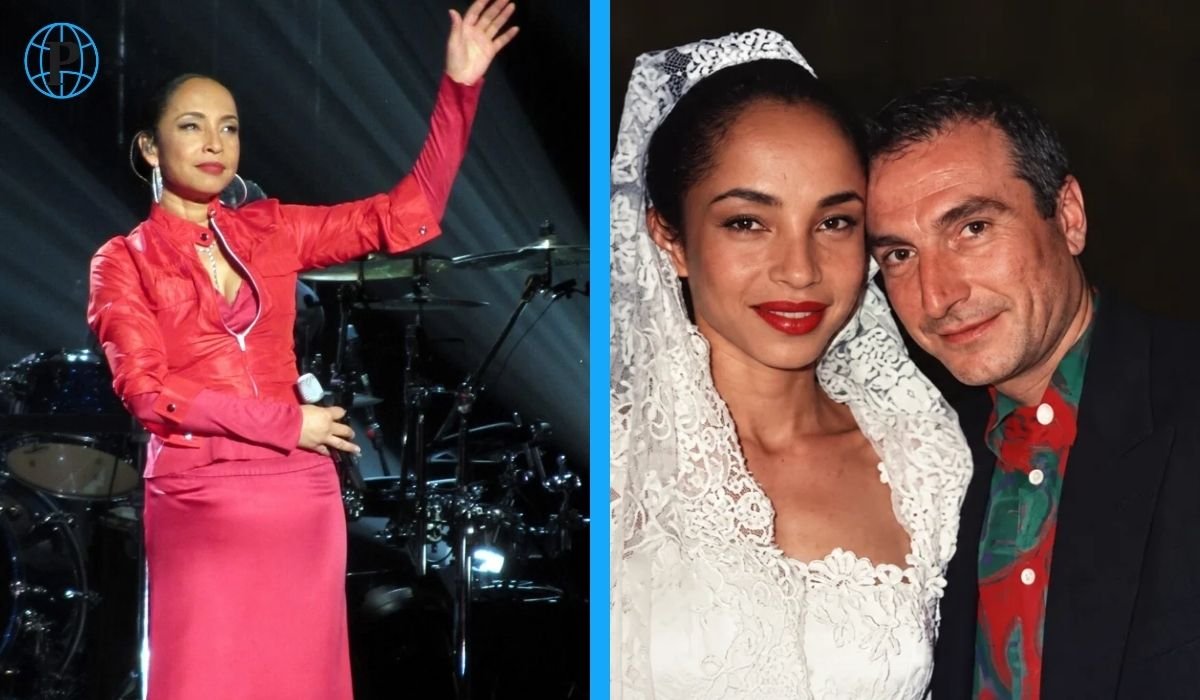
Carlos Scola Pliego is a name that frequently appears alongside Sade Adu, the British-Nigerian singer whose distinctive voice and understated style made her one of the most recognizable artists of her generation. Yet Carlos’s story is not limited to being Sade Adu’s former husband. He was a Spanish filmmaker who worked behind the camera in assistant directing, writing, producing, and documentary filmmaking. His professional credits stretch across Spanish and international productions, including work connected with Never Say Never Again, Eleni, and Christopher Columbus.
The relationship between Carlos Scola Pliego and Sade Adu began during a period when both were involved in creative industries. Sade was establishing herself internationally as the lead singer of the band Sade, while Carlos was developing his career in Spain’s audiovisual industry. According to Sade’s official biography, she married the Spanish film director in 1989. Spanish newspaper EL PAÍS provides additional context about their Madrid years, describing Carlos as a Madrileño and connecting their relationship with Sade’s time living in the Spanish capital.
Quick Bio Table: Carlos Scola Pliego
| Detail | Information |
|---|---|
| Full name | Carlos Scola Pliego |
| Professional name | Carlos Scola |
| Nationality | Spanish |
| Profession | Filmmaker, director, writer, assistant director |
| Known for | Film work and marriage to Sade Adu |
| Former spouse | Sade Adu |
| Marriage | 1989 |
| Marriage ended | 1995 |
| Known directing work | Ngira: Gorilas en la montaña |
| Other documentary | Donde termina el corazón |
| Exact date of birth | Not reliably established in major public records |
Who Was Carlos Scola Pliego?
Carlos Scola Pliego was a Spanish film professional whose career developed primarily behind the camera. Film records frequently list him simply as Carlos Scola, which is important when researching his biography because searching only for his full name can make some of his professional credits harder to locate. IMDb identifies Carlos Scola Pliego as an alternative name and lists him in several production roles, including second assistant director, director, writer, and other filmmaking positions.
His career appears to have begun well before his marriage to Sade Adu attracted public interest. His early credits include assistant-director work on Dos y dos, cinco, Otelo (Comando negro), Hundra, G’olé!, and Scarab. He was also associated with international productions such as Curse of the Pink Panther and Never Say Never Again, where his entries are identified as Spain-based assistant-director work, including uncredited work on some productions.
This professional history gives a more complete picture of Carlos Scola Pliego. He was not simply known because of his connection to a famous singer; he had already established himself within film production. His work also shows the practical side of filmmaking, where assistant directors and other crew members coordinate the demanding process of bringing a production together without necessarily becoming public-facing personalities.
Carlos Scola Pliego’s Early Life and Background
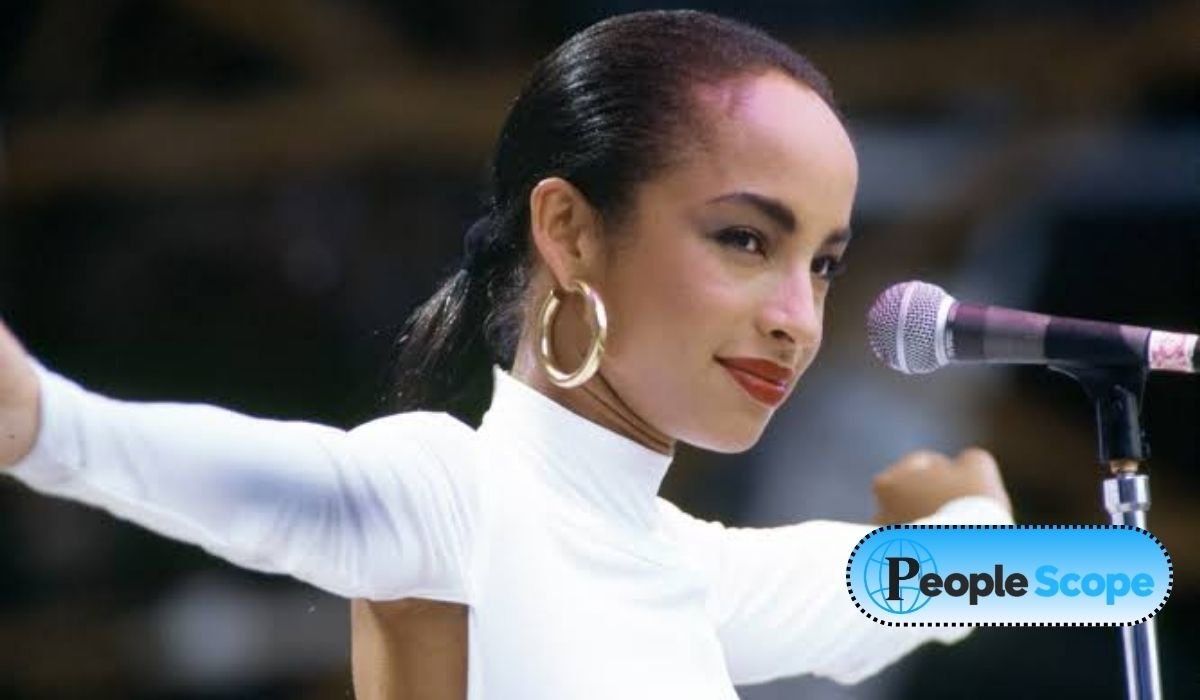
One of the most difficult aspects of researching Carlos Scola Pliego is his early biography. Unlike Sade Adu, whose life has been documented through decades of interviews, official biographies, music coverage, and performances, Carlos maintained a considerably lower public profile. Reliable sources do not consistently establish his exact birth date, age, parents, siblings, childhood, or educational history.
That lack of information is worth emphasizing because numerous online biography pages publish precise personal details that are not supported by identifiable authoritative records. A careful biography should distinguish between information that can be traced to film records or established publications and details that appear to have been repeated from website to website.
What can be stated with greater confidence is his Spanish identity and connection to Madrid. EL PAÍS describes him as a Madrileño and places him within Madrid’s audiovisual scene during the period when Sade was spending time in the city. His professional record therefore provides a much stronger foundation for understanding his background than unsupported claims about his private childhood.
How Did Carlos Scola Pliego Meet Sade Adu?
The story of Carlos Scola Pliego and Sade Adu is closely connected with Spain and the period surrounding Sade’s rise to international fame. EL PAÍS reports that Carlos worked as an assistant director on three music videos connected with Sade’s second album, Promise. The newspaper says that Sade later moved to Madrid after becoming an international star and that she reunited with Carlos there.
Their professional worlds therefore overlapped naturally. Sade was working within music and visual production, while Carlos was part of the filmmaking and audiovisual industry. The available reporting indicates that their professional association eventually became a personal relationship.
It is important, however, not to embellish the private details of their courtship. Many websites provide elaborate stories about exactly how they met, their conversations, or the circumstances of their romance, but those details are not equally well documented. The strongest public evidence supports the broader timeline: Carlos was working in audiovisual production, Sade spent significant time in Madrid, and their relationship developed during that period.
Carlos Scola Pliego and Sade Adu’s Marriage
Sade’s official biography confirms that she married Spanish film director Carlos Scola Pliego in 1989. The official biography places the marriage within a broader period of Sade’s life in which she increasingly balanced her demanding music career with her personal life.
Contemporary and retrospective accounts provide slightly different descriptions of the exact circumstances surrounding the wedding, so the safest established detail is the year rather than an overly precise wedding date. EL PAÍS reports that the marriage took place in October 1989 and refers to contemporary British press reports describing a Spanish castle as the setting, while IMDb’s biographical record gives a different specific date.
Their marriage brought together two people whose careers were creative but whose approaches to public attention were very different from those of conventional celebrity couples. Sade was already becoming globally recognized, yet she was known for protecting her privacy. Carlos, meanwhile, had spent his career behind the scenes. That combination helps explain why relatively little detailed material exists about their married life.
Their Life Together in Madrid and Beyond
Madrid played an important role in the relationship between Carlos Scola Pliego and Sade Adu. According to EL PAÍS, Sade moved to the Spanish capital after the intense pressures surrounding her growing international career and the death of her father. The publication describes Carlos as part of her life in Madrid and notes that he accompanied her during recording sessions in France for Stronger Than Pride, released in 1988.
This period overlapped with a major stage in Sade’s musical development. Her band had already achieved international success with albums such as Diamond Life and Promise, while Stronger Than Pride continued that trajectory. Carlos’s connection with Sade consequently placed him close to an artist who was experiencing an unusually demanding combination of touring, recording, media attention, and personal change.
Nevertheless, their relationship remained largely private. Sade’s official biography specifically discusses her discomfort with intrusive media attention, while her career history shows a long-standing tendency to limit interviews and protect her personal space. This makes the limited amount of publicly documented information about their everyday married life unsurprising.
Carlos Scola Pliego’s Film Career
While his marriage to Sade is the main reason many people search for Carlos Scola Pliego today, his filmography offers a separate story. IMDb records him in a variety of production roles throughout the 1980s. His credits include assistant-director work on international productions such as Eleni and the television miniseries Christopher Columbus.
His work eventually expanded into documentary filmmaking. In 1988, Carlos Scola directed and wrote Ngira: Gorilas en la montaña, a documentary short listed as a Spanish production and filmed in the Democratic Republic of the Congo. The film is recorded as approximately 25 minutes long, with Carlos credited as director and writer; production records also associate him with producing the project.
Another significant project was Donde termina el corazón, a 1989 Spanish documentary directed and written by Carlos Scola. IMDb describes the film as a view of Africa that moves from the pygmy communities of the Ituri Forest toward the suburbs of Nairobi. Its production was therefore considerably different from the commercial international films on which Carlos had previously worked.
What Happened to Carlos Scola Pliego and Sade Adu?
The marriage between Carlos Scola Pliego and Sade Adu eventually ended in divorce. IMDb’s biographical record lists their marriage as running from 1989 to 1995, while Sade’s official biography confirms the 1989 marriage.
Beyond the end of the marriage, the public record becomes much less detailed. There is no strong, consistently documented biography describing Carlos’s private relationships, family life, residence, or activities in later decades. Likewise, claims about a subsequent wife, children, wealth, or a specific current occupation should not automatically be treated as established facts simply because they appear on celebrity websites.
The timeline of Sade’s later life is clearer. Her official biography states that she had a child in 1996, after the marriage to Carlos, and that she later moved from London to rural Gloucestershire. This chronology is useful when separating Carlos’s documented relationship with Sade from later chapters of her personal life.
Why Is Carlos Scola Pliego Still Searched Today?
Interest in Carlos Scola Pliego continues largely because Sade Adu has maintained a lasting cultural presence. Her music remains influential, while her deliberately private lifestyle has encouraged continued curiosity about the people who played important roles in her personal history. Carlos is particularly interesting because he was connected to Sade during an important transition in her life and because he had a creative career of his own.
There is also an unusual contrast between the amount of attention surrounding his name and the amount of reliable information available about him. His film credits can be traced through production records, yet many basic biographical details remain unclear. That makes his story a useful example of why celebrity biography research should prioritize documented evidence over repeated online claims.
Conclusion
Carlos Scola Pliego and Sade Adu shared a relationship that connected Spain’s film industry with one of the most distinctive careers in modern popular music. Their marriage in 1989 became an important chapter in Sade’s personal history, while Carlos continued to have a professional identity as a Spanish filmmaker and production specialist.
Carlos’s film career included assistant-director work on Spanish and international productions before he moved into documentary filmmaking. Projects such as Ngira: Gorilas en la montaña and Donde termina el corazón demonstrate that his creative work extended beyond his relationship with Sade.
At the same time, much of Carlos Scola Pliego’s private life remains undocumented. The most reliable account is therefore one that recognizes what is known—his Spanish filmmaking career, his marriage to Sade Adu, their years together, and their 1995 divorce—while avoiding unsupported claims about his age, family, finances, or later personal life.
FAQs
1. Who is Carlos Scola Pliego?
Carlos Scola Pliego is a Spanish filmmaker who is best known publicly for his former marriage to Sade Adu. Film records also document his work as an assistant director, director, writer, and other production roles. He is frequently credited professionally as Carlos Scola.
2. When did Carlos Scola Pliego marry Sade Adu?
Carlos Scola Pliego married Sade Adu in 1989. Sade’s official biography confirms the year, while other records provide differing specific dates, so 1989 is the most consistently supported detail.
3. When did Carlos Scola Pliego and Sade Adu divorce?
Their marriage ended in 1995, according to IMDb’s biographical record. Reliable public sources provide much less detail about the circumstances of the divorce, so claims about the specific reasons for their separation should be treated cautiously.
4. What films did Carlos Scola Pliego work on?
His documented film and television work includes assistant-director roles on projects such as Hundra, Eleni, Christopher Columbus, Curse of the Pink Panther, and Never Say Never Again. He later directed and wrote documentary projects including Ngira: Gorilas en la montaña and Donde termina el corazón.
5. Does Carlos Scola Pliego have children with Sade Adu?
There is no reliable public record establishing that Carlos and Sade had a child together. Sade’s official biography states that her child was born in 1996, after the couple’s documented marriage period, while the marriage itself is recorded as ending in 1995.




[…] Carlos Scola Pliego and Sade Adu: Their Marriage, Relationship, and Life Together […]
Comments are closed.